How to Choose the Right Dog Photographer | 7 Things Every Dog Owner Should Consider
7 Things to Look for When
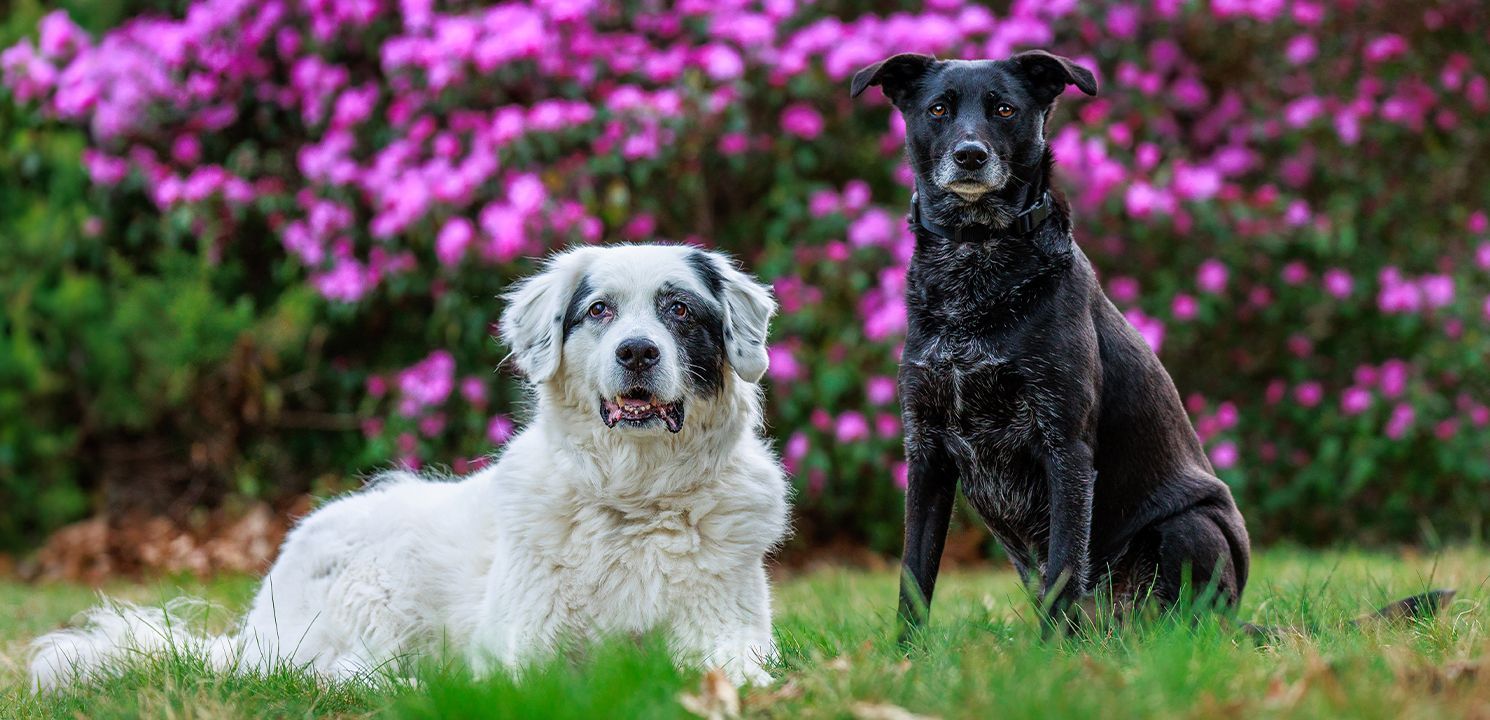
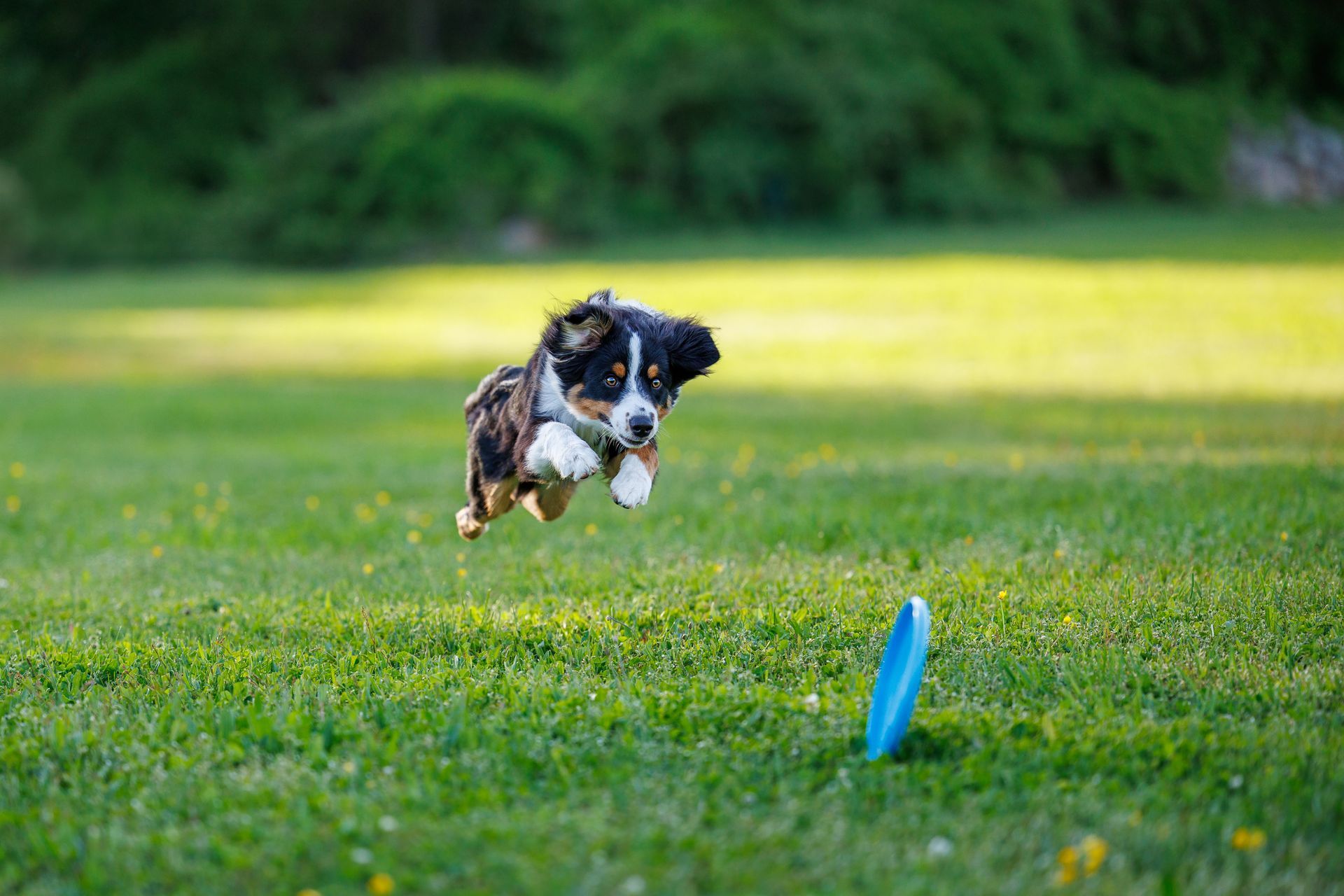
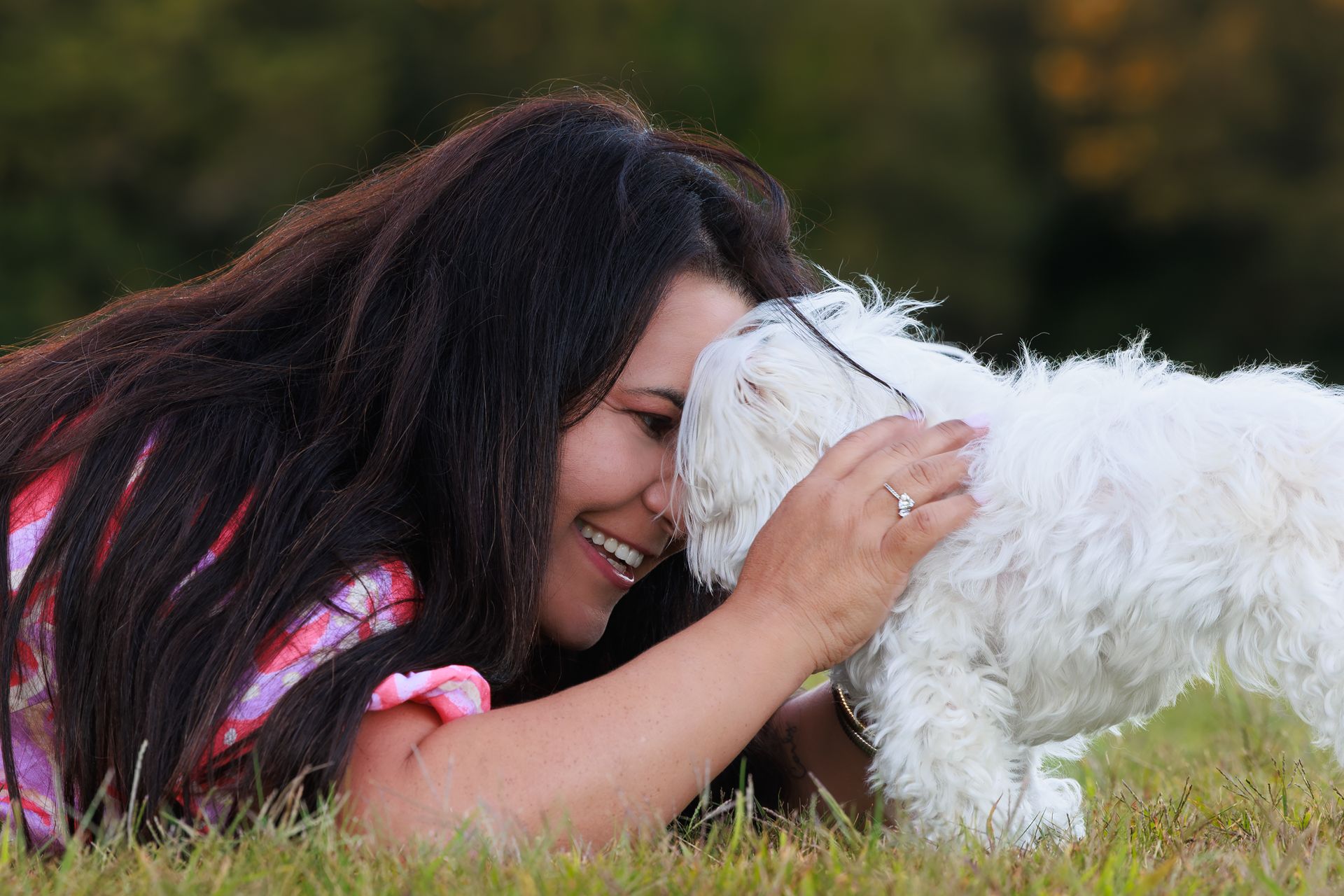
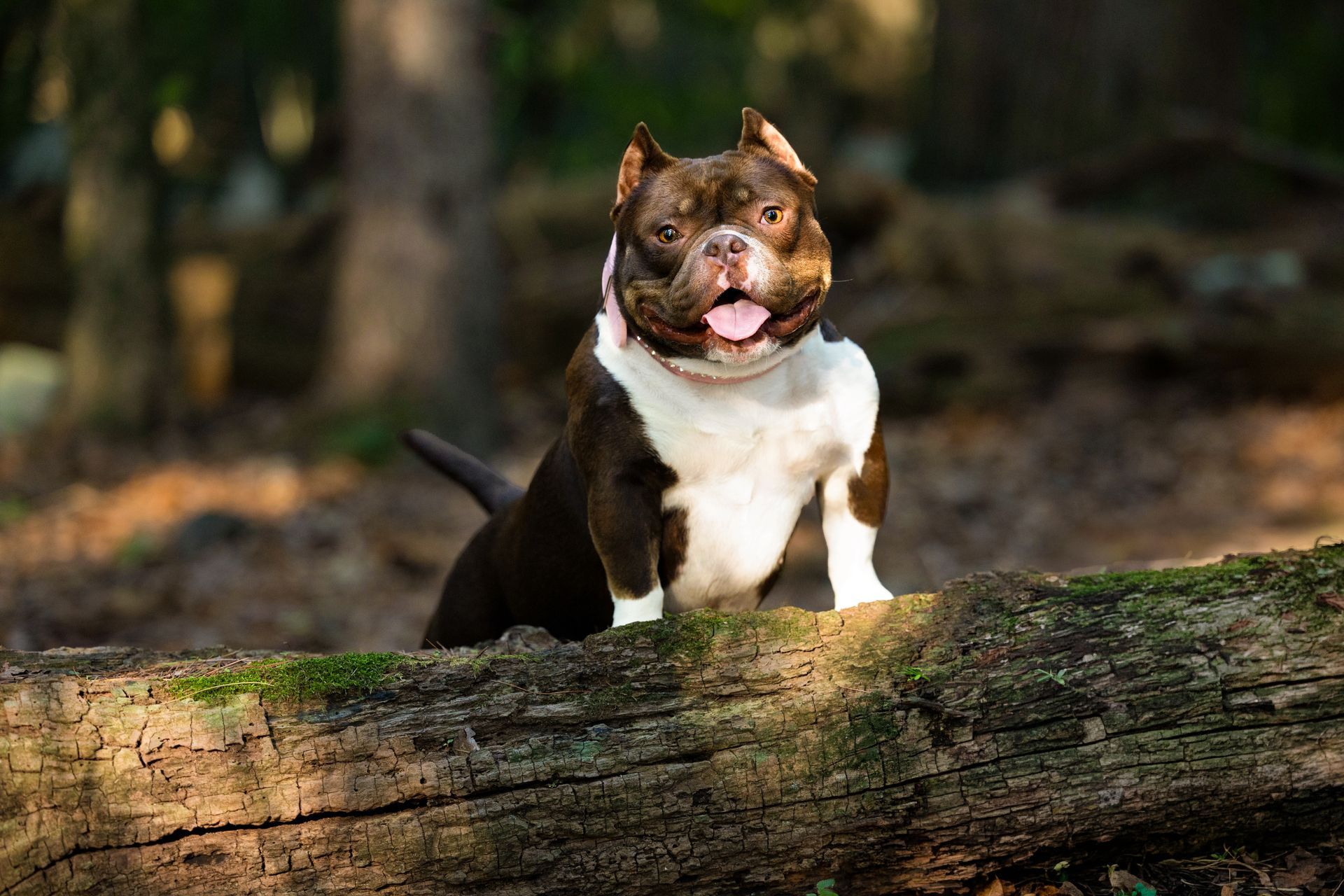
Choosing a Dog Photographer
Choosing a dog photographer isn't all that different from choosing a wedding photographer.
Every photographer has a unique style, personality, and approach to working with both people and dogs. There isn't one "best" photographer—there's the photographer who's the best fit for you, your dog, and the memories you want to preserve.
I've participated in several pet expos where multiple photographers were exhibiting side by side. One of the things I enjoyed most was hearing why people stopped to talk with me.
Some loved the bold, emotional style of my work. Others were naturally drawn to another photographer whose images better matched what they envisioned for their own home.
Neither choice was wrong.
Photography is personal.
Before booking your dog's portrait session, here are seven things I believe every dog owner should consider.
- Every photographer on your list will likely answer these questions a little differently, and that's okay. These aren't rules for choosing me—they're the things I would tell my own friends and family to consider when choosing any dog photographer.
1. Safety Should Always Come First
Before you compare pricing, editing styles, products, or social media followers, ask yourself one question:
"Will this photographer keep my dog safe?"
To me, nothing else comes close.
A beautiful photograph is never worth risking a dog's safety.
Safety starts with choosing the right location.
Not every beautiful location is right for every dog.
A reactive dog probably won't enjoy a busy conservation area where off-leash dogs frequently run up to strangers.
An older dog with arthritis may struggle hiking over rocks or climbing steep trails.
A puppy may become overwhelmed by a crowded downtown environment.
Safety also means respecting your dog's comfort level.
If your dog is nervous around water, they shouldn't be pushed into standing in a lake.
If bridges make them uncomfortable, we'll photograph somewhere else.
If they don't like standing on elevated logs or rocks, that's perfectly okay.
Your dog's confidence is always more important than recreating a photo you saw online.
Weather plays an equally important role.
Summer heat, freezing temperatures, icy trails, humidity, and even hot pavement all affect how safely and comfortably a dog can work.
Sometimes the best decision is simply to reschedule.
The right photographer understands that creating beautiful portraits starts with making sure every dog feels safe, comfortable, and respected.
2. CHOOSE A STYLE YOU LOVE
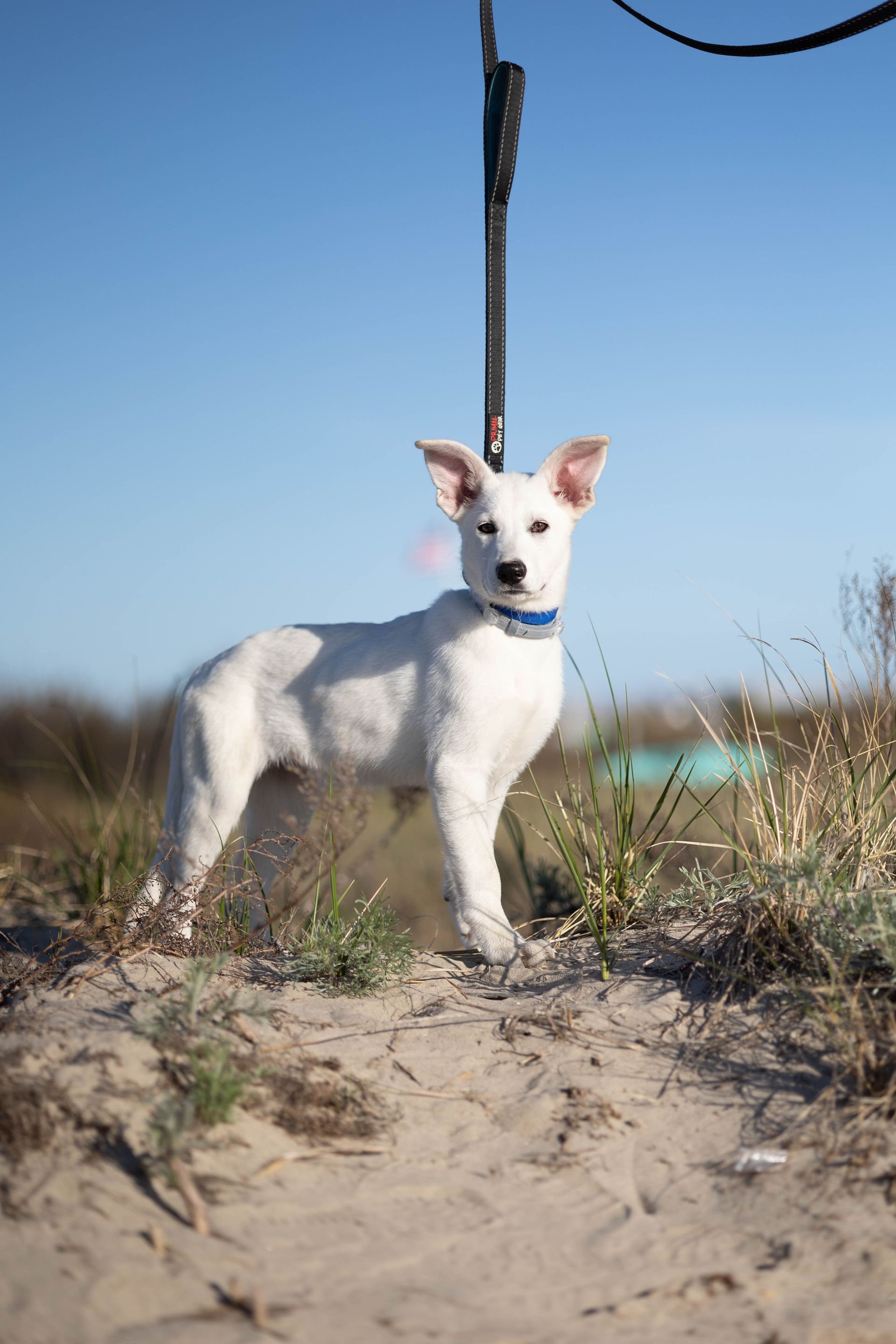
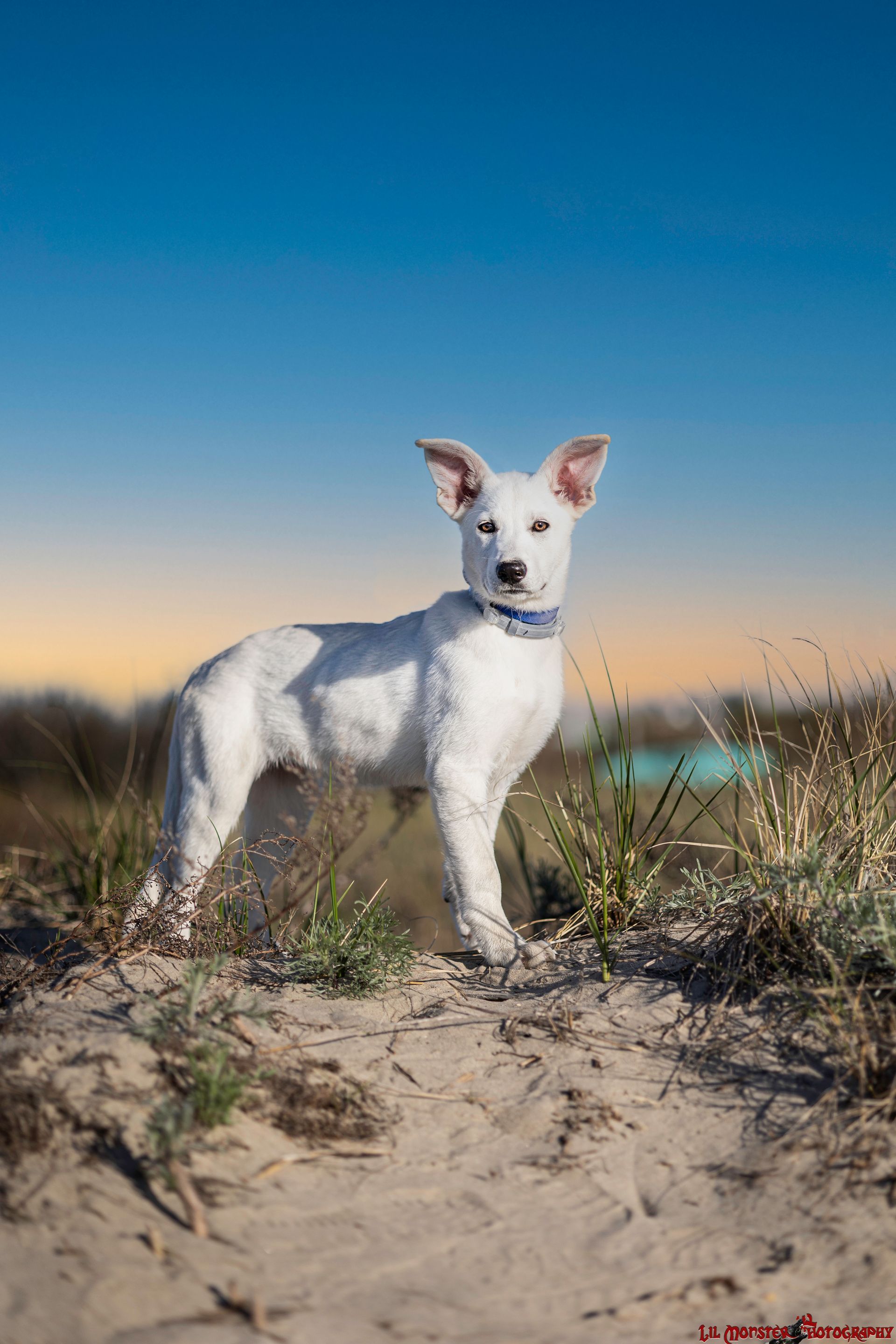
Every photographer sees the world a little differently.
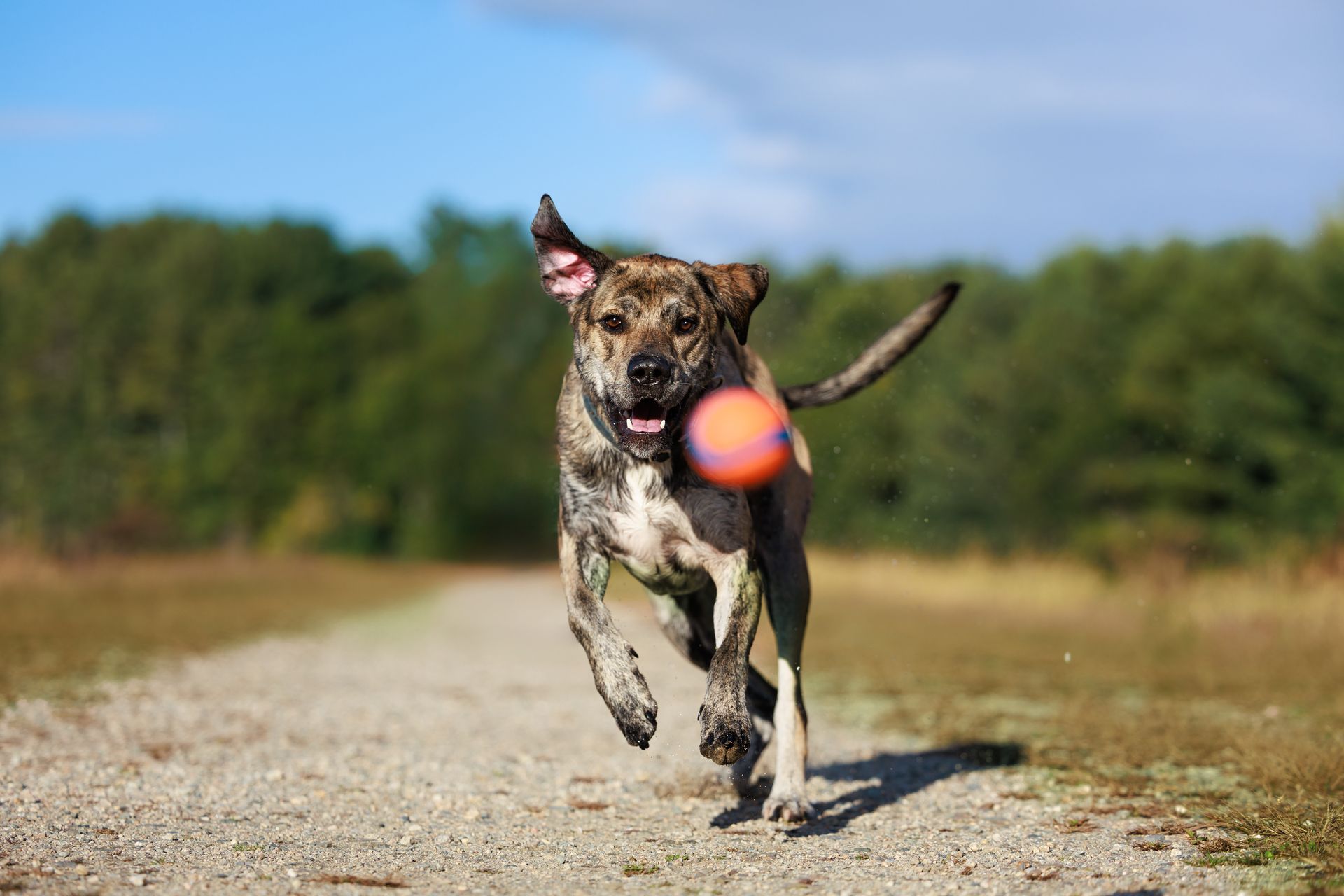
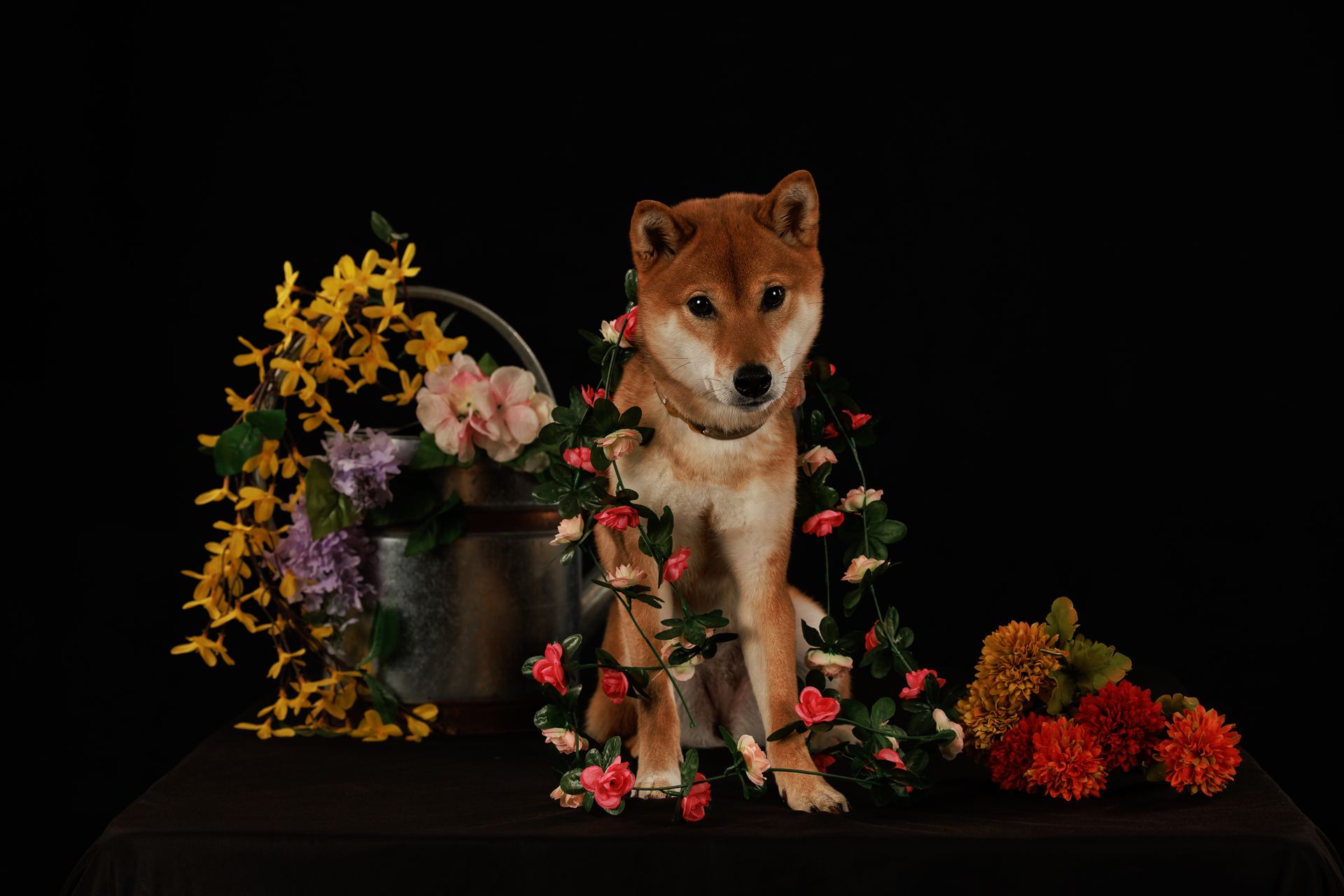
Some create bright, airy images filled with soft pastel tones.
Others gravitate toward bold colors and dramatic light.
Some specialize in studio portraits while others focus entirely on outdoor adventures.
None of those approaches are right or wrong.
They're simply different.
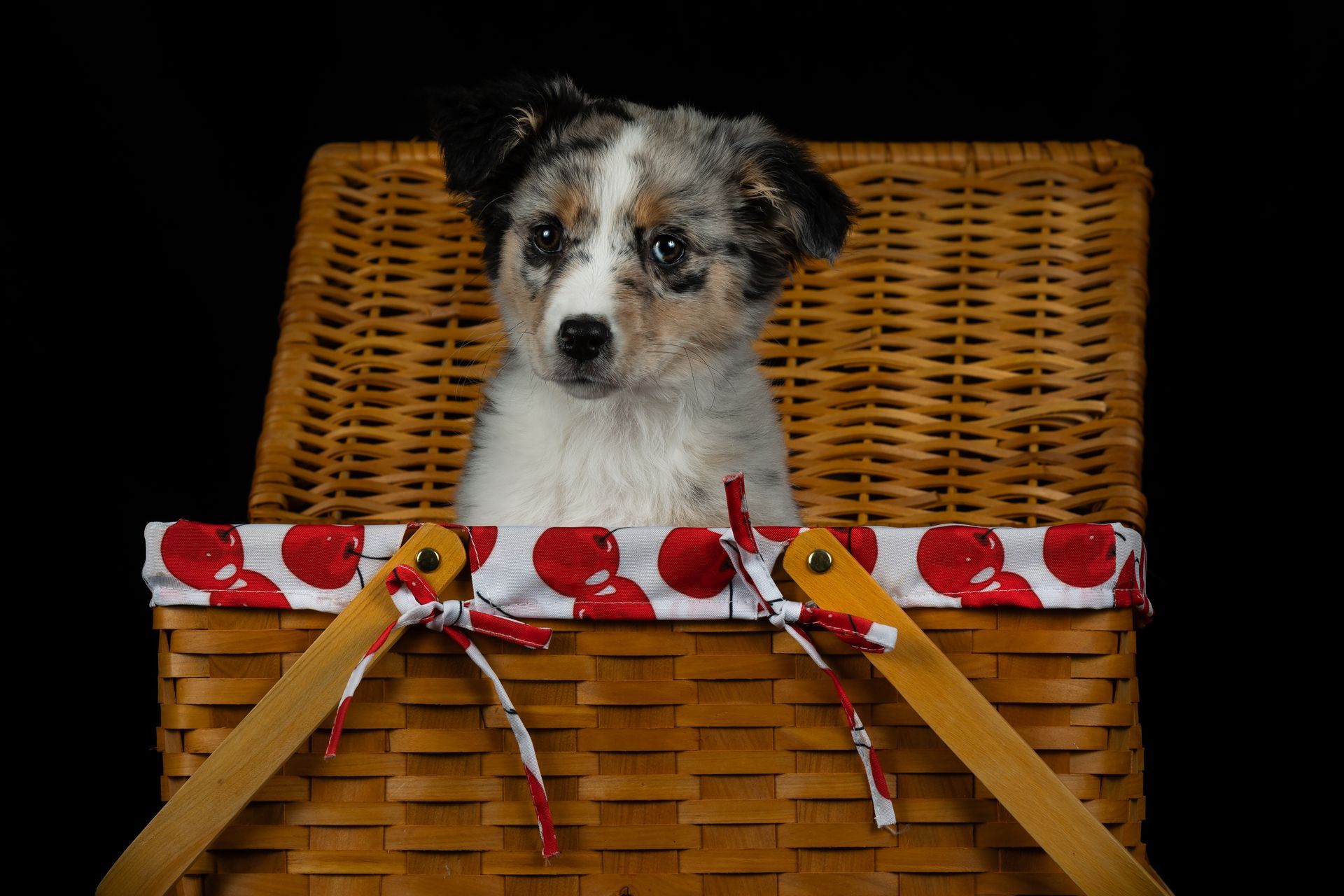
That's why I always encourage people to spend time looking through a photographer's portfolio before booking.
Ask yourself:
"Can I picture these hanging on my walls?"
If the answer is yes, you've probably found someone whose artistic vision matches yours.
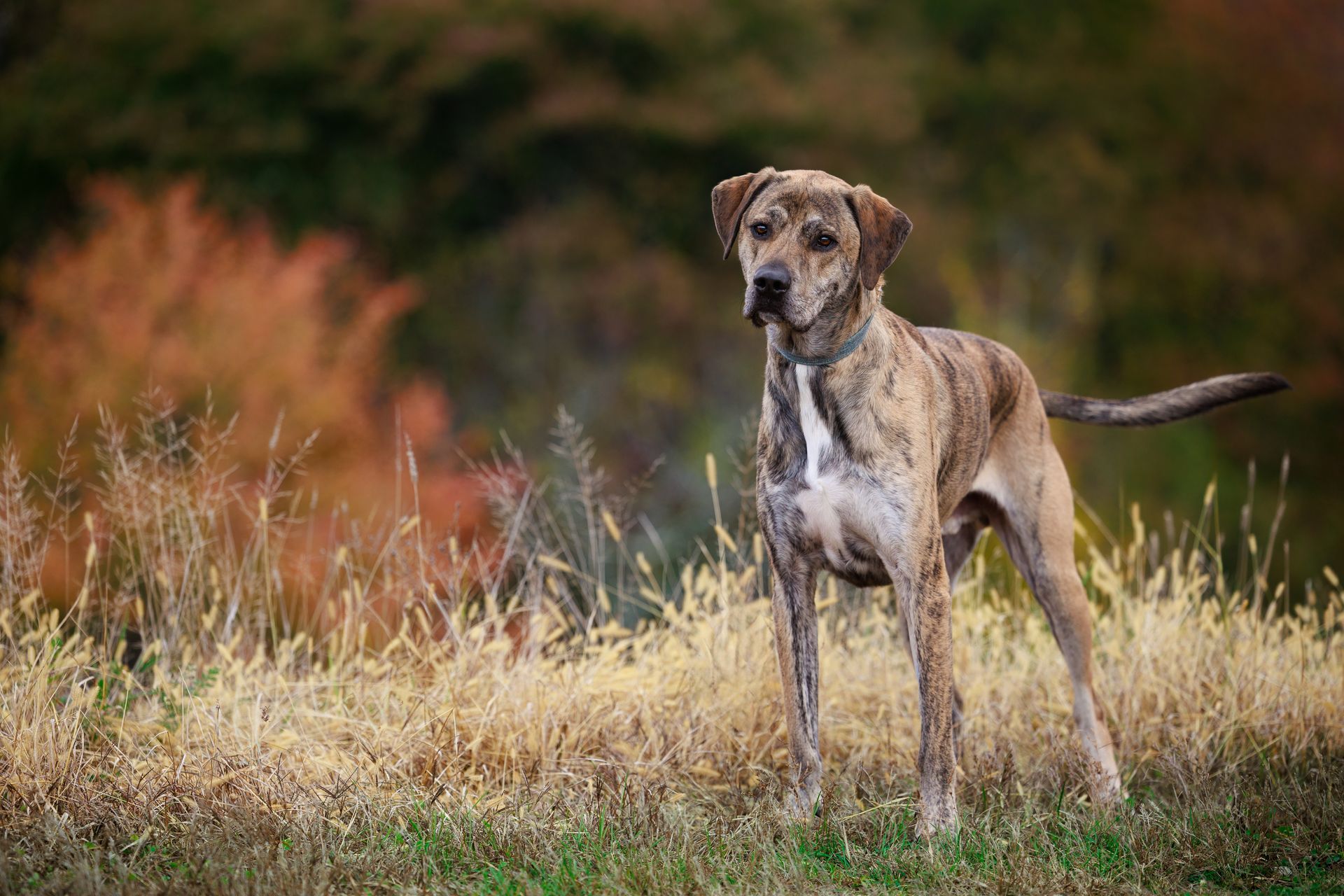
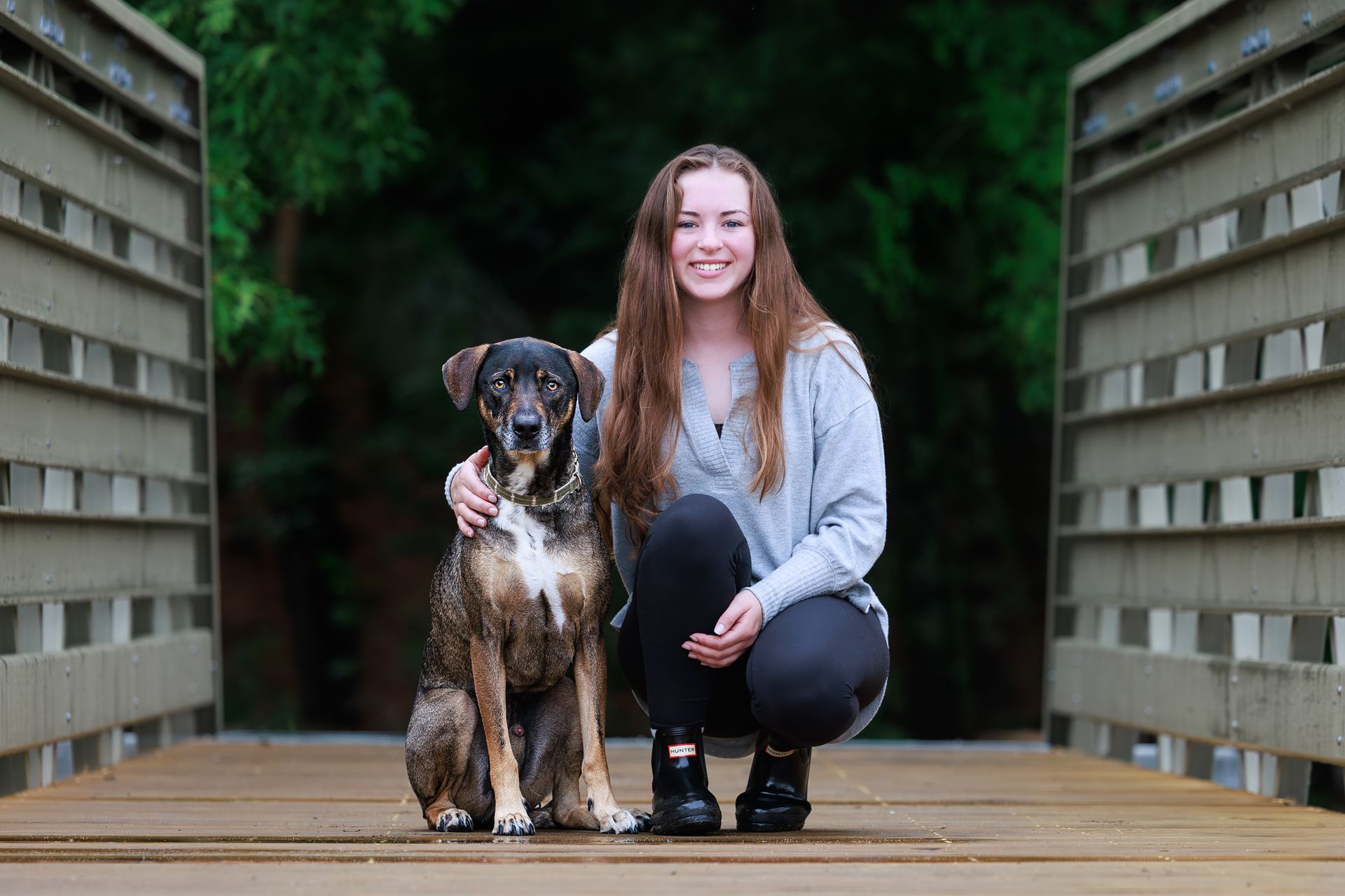
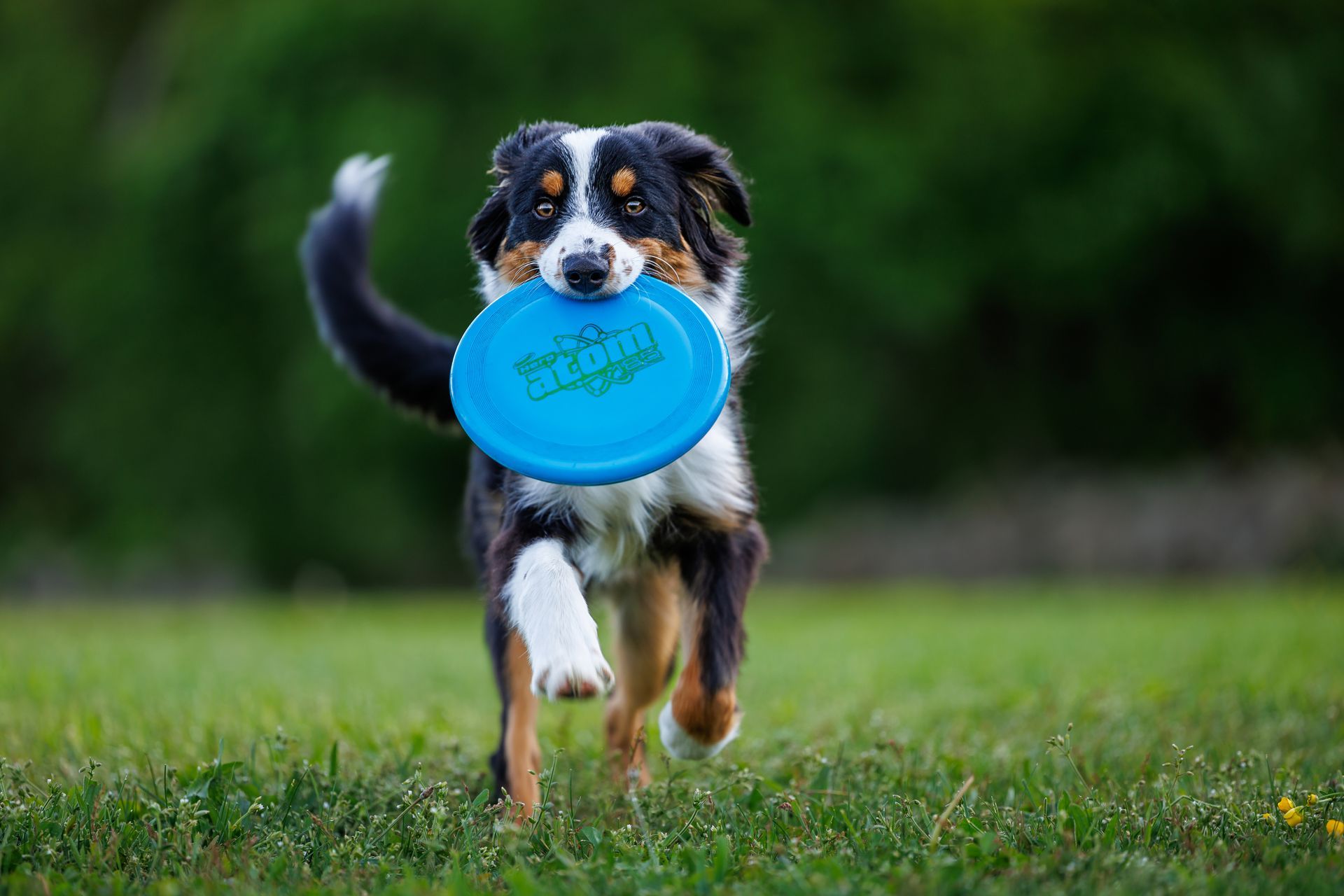
If you're comparing photographers, spend some time exploring their portfolios. Seeing a variety of sessions will tell you far more about their style than a handful of social media posts ever will. You can explore my Portfolio to see examples of both studio and outdoor sessions.
3. YOUR DOG SHOULD FEEL COMFORTABLE
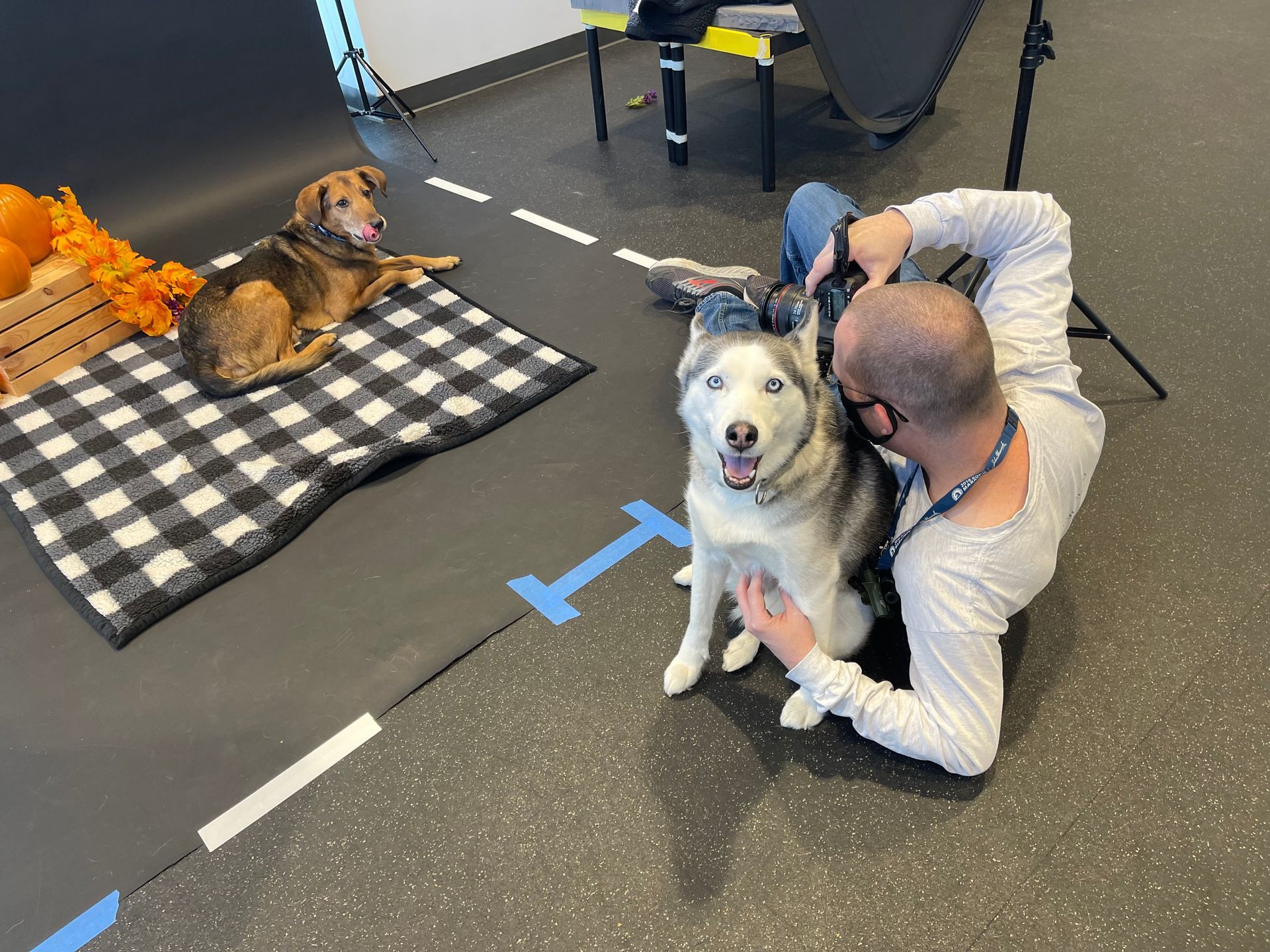
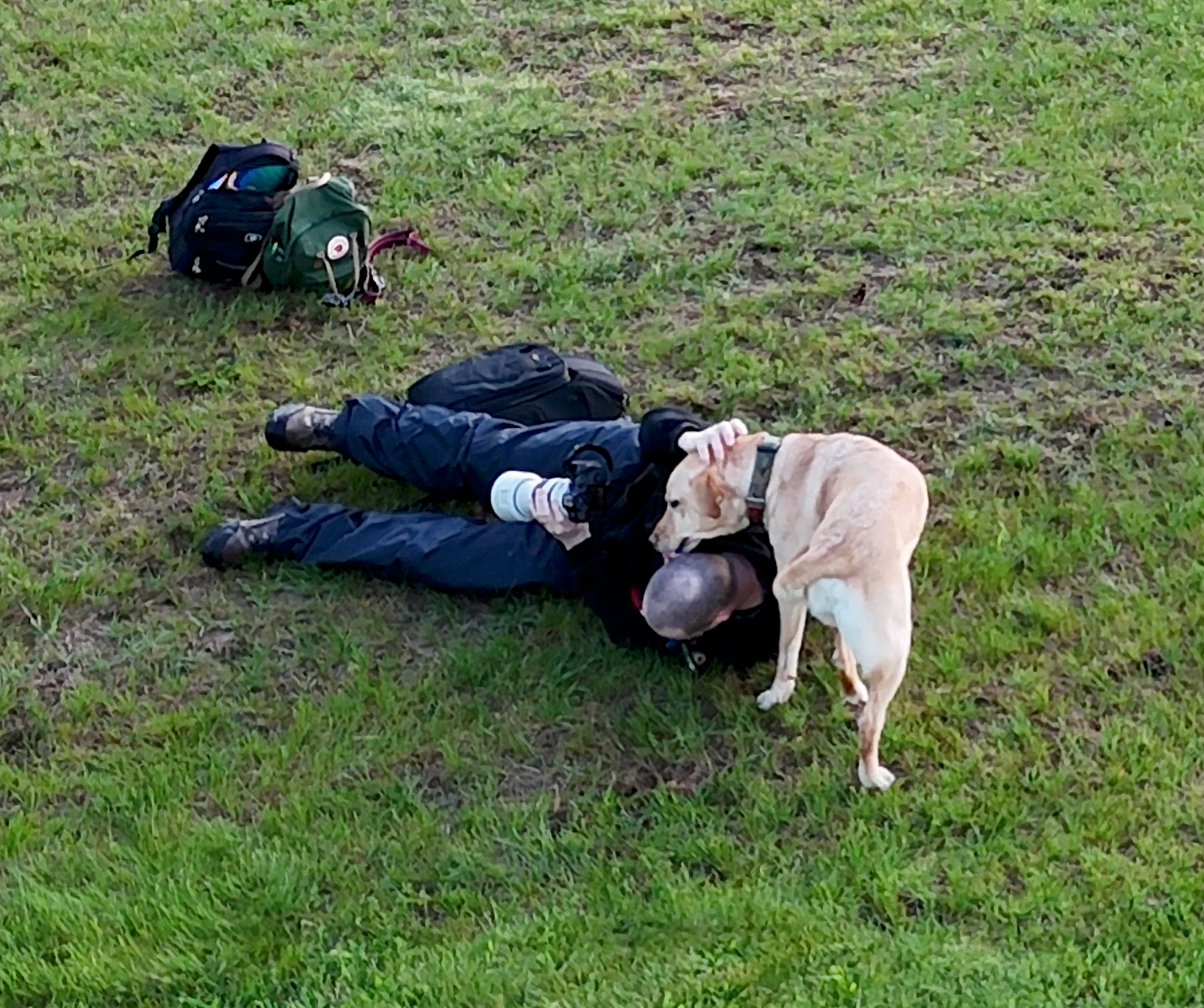
The best portraits happen when dogs are relaxed enough to simply be themselves.
That starts long before the camera comes out.
One of the reasons I meet with clients before every session is so we can get to know each other.
We'll talk about your dog's personality, favorite treats, motivations, anxieties, medical concerns, and the relationship you share.
We'll also discuss the artwork you're hoping to create so the session is designed with the finished product in mind.
By the time session day arrives, it feels much less like meeting a stranger and much more like meeting someone you've already gotten to know.
If you'd like to learn more about that process, you can read my article on the Dog Photography Consultation Process
4. Experience With Dogs Matters
Dogs communicate with us constantly.
They just don't use words.
Years ago, I was photographing a dog that had been happily exploring the park.
Suddenly, I noticed everything about their posture changed.
Their body became rigid. Their nose lifted into the air. Their tail slowed to a deliberate wag. The excitement disappeared. Something had changed.
A few minutes later, another person walking through the park stopped and warned us that they had just seen a coyote farther down the trail.
We never saw it ourselves. The dog had sensed it.
We immediately changed our route and continued the session in another area. Was the coyote going to bother us, probably not, but that leads back to putting safety first.
That moment reinforced something I already believed:
Understanding dog body language is just as important as understanding photography.
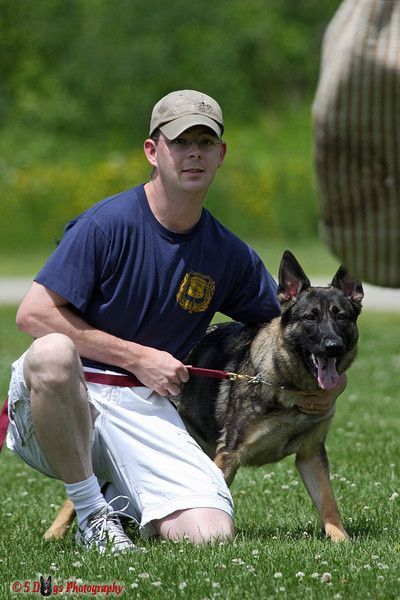
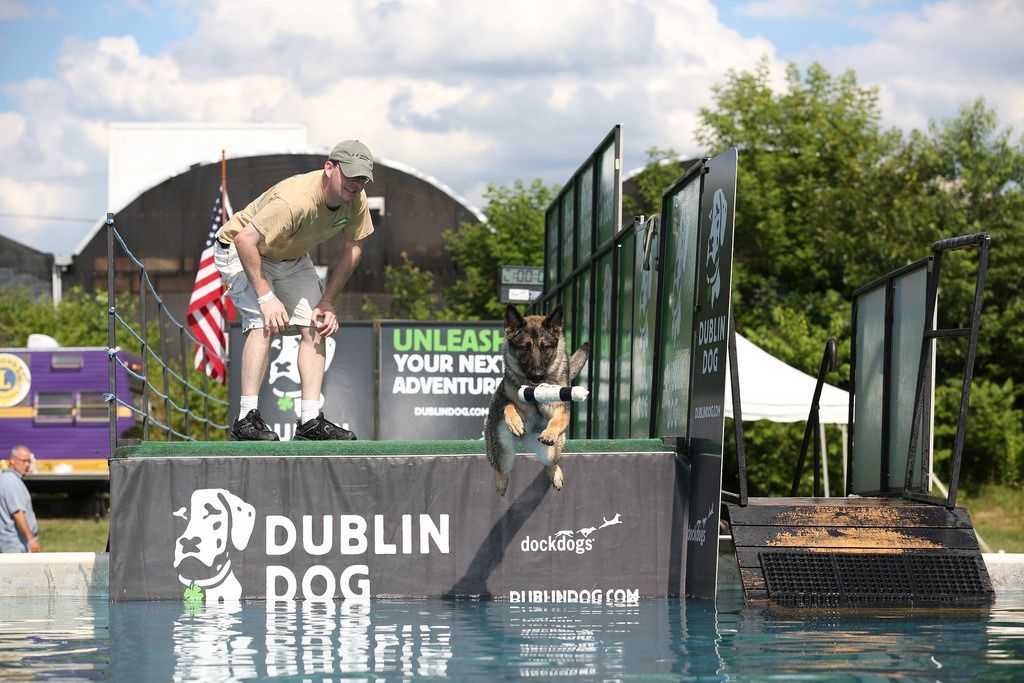
Over the years I've photographed just about every kind of dog imaginable: giant breeds and tiny breeds, energetic puppies, sleepy seniors, working and sporting dogs, rescued dogs with difficult pasts, reactive dogs, and dogs that simply enjoy life as beloved family pets.
Outside of photography, I've spent years involved in dog training well beyond basic pet obedience. I also regularly talk with local trainers when clients describe behaviors or challenges that are outside my expertise. Sometimes those conversations simply help me better prepare for an upcoming session. Other times they've led to referrals to trainers who were exactly what that family needed.
The more you understand dogs, the better you're able to adapt a session around them instead of expecting them to adapt to you.
Knowing when a dog is tired, excited, nervous, overstimulated, or simply asking for a break allows the session to move at their pace. Those little adjustments often make the difference between a dog that's merely cooperating and one that's genuinely enjoying the experience.
5. Look for Transparent Pricing
One of the most disappointing experiences a client can have is falling in love with their photographs only to discover afterward that they can't comfortably afford the artwork they want.
That situation is avoidable.
Before booking, ask your photographer about pricing.
Ask what their average client invests.
Ask what that investment typically includes.
A photographer should be happy to explain the options available so you can make an informed decision before your session ever takes place.
My goal has never been to convince someone to spend more than they're comfortable with.
It's to make sure every client understands the process before we begin, allowing them to focus on enjoying the experience rather than worrying about unexpected surprises later.
If you're curious about why custom pet photography costs what it does, I recently wrote a blog called Why Professional Dog Photography Costs More Than You Think that takes a closer look at everything involved behind the scenes.
6. CHOOSE SOMEONE WHO DOESN'T RUSH
Dogs don't know they're on a schedule.
Some settle in immediately.
Others need time to explore, sniff, play, or simply figure out what's going on.
A photographer who builds flexibility into the experience is far more likely to capture genuine expressions than someone racing against the clock.
Personally, I only schedule a maximum of two portrait sessions each day.
That gives me the flexibility to work around changing weather, the best available light, and most importantly, your dog's individual needs.
Some sessions wrap up in an hour.
Others take a little longer.
The goal isn't to see how quickly we can finish.
The goal is to recognize the moment your dog has given us their very best.
7. Think Beyond Digital Files
Your photographer shouldn't simply hand you a gallery and wish you luck.
They should help you decide how your images will be enjoyed for years to come.
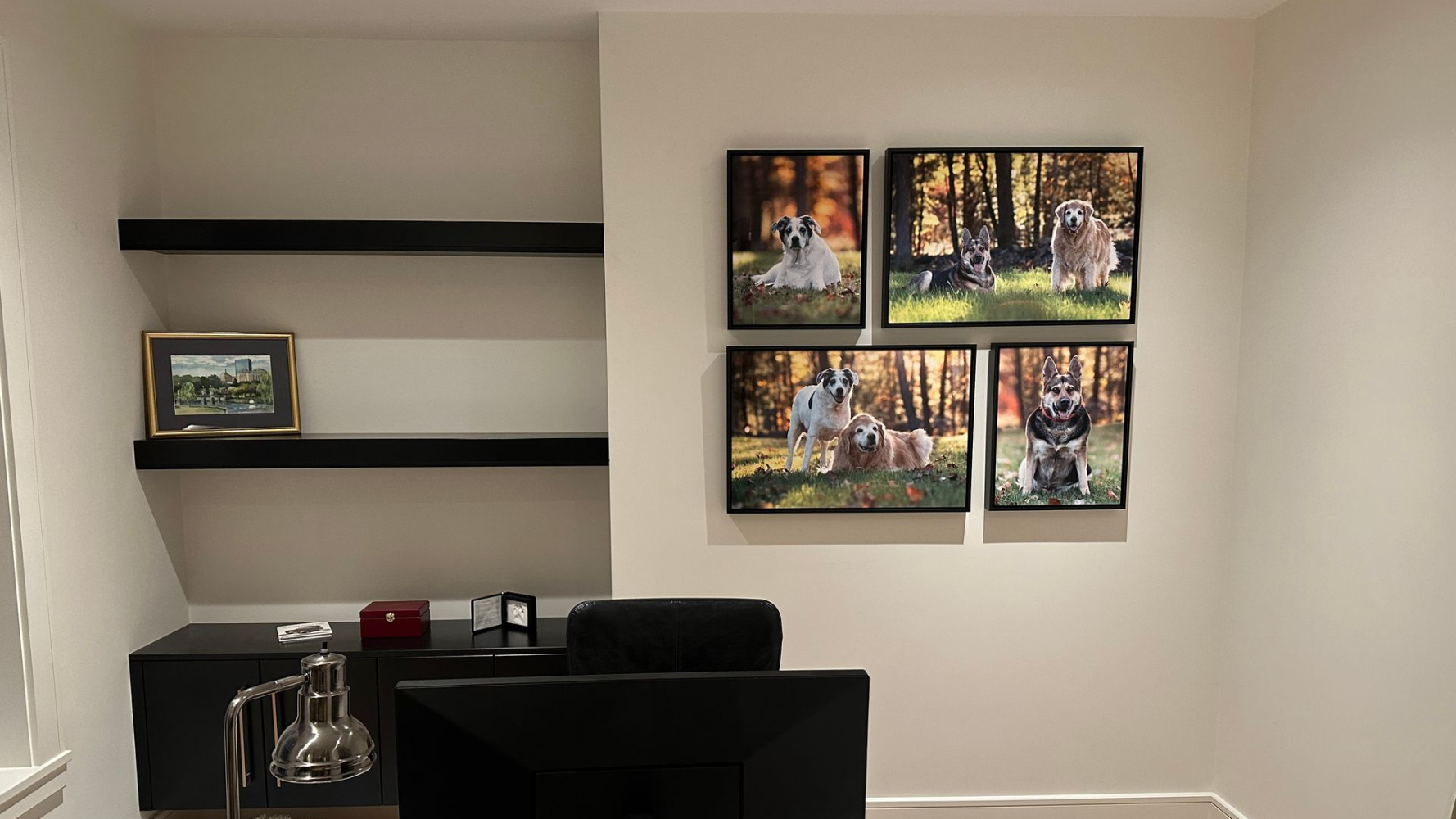
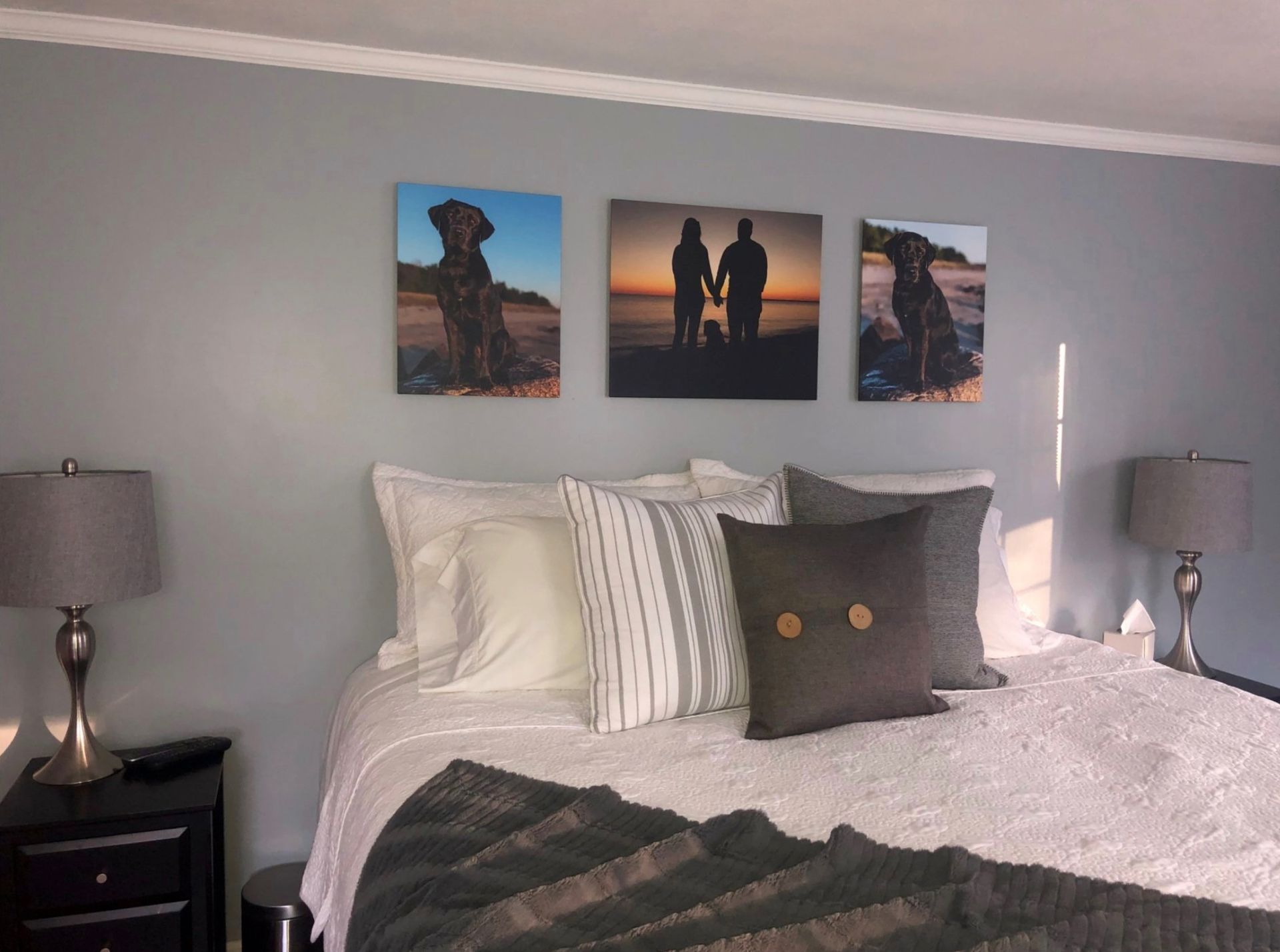
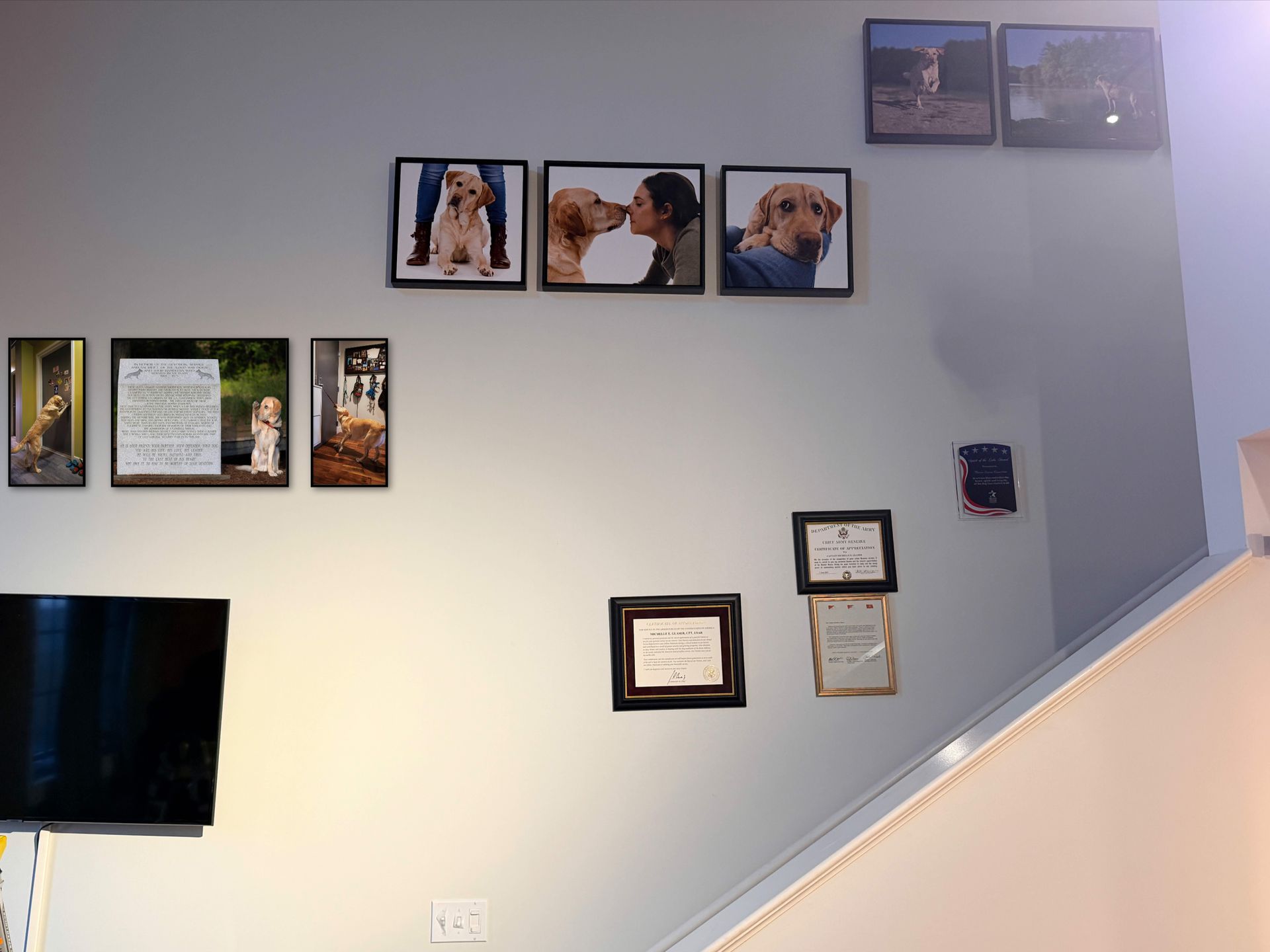
Will they become a large statement piece over the fireplace?
A collection of framed images in the hallway?
An heirloom album your family flips through together?
Part of my planning process involves talking about those possibilities before the session even takes place. That way we're photographing with your home and your goals in mind from the very beginning.
One of the comments I've heard over the years is that digital files often end up exactly where you would expect: safely stored on a thumb drive, a hard drive, or in the cloud. They're there, but they aren't part of everyday life.
The conversations that stay with me are usually about the artwork.
I've had clients email me years after their session just to tell me how much they still enjoy walking past their portraits every day. One message that especially
meant a great deal to me came from a client after the loss of their dog. They wrote to say how grateful they were that they had invested in the session and that seeing those portraits hanging in their home brought them comfort during an incredibly difficult time.
That's why I believe planning for the finished artwork matters just as much as planning the photographs themselves.
FINAL THOUGHTS
At the end of the day, I hope you choose the photographer who's the right fit for you and your dog.
That may be me.
It may be another photographer whose style, personality, or approach better matches what you're looking for.
What matters most is that your dog is treated with patience, kindness, and respect throughout the entire experience, and that you walk away with
photographs you'll treasure for years to come.
If you'd like to continue planning your session, you might also enjoy these articles:
• Dog Photography Consultation Process
• What Should You Wear to a Dog Photography Session?
• How Long Does a Dog Photography Session Take?
Ready to start planning?
Every session begins with a complimentary consultation where we'll talk about your dog, your goals, and the artwork you'd love to create.